Could Australia's Under-16 Social Media Ban Be Unconstitutional? High Court Battle Begins
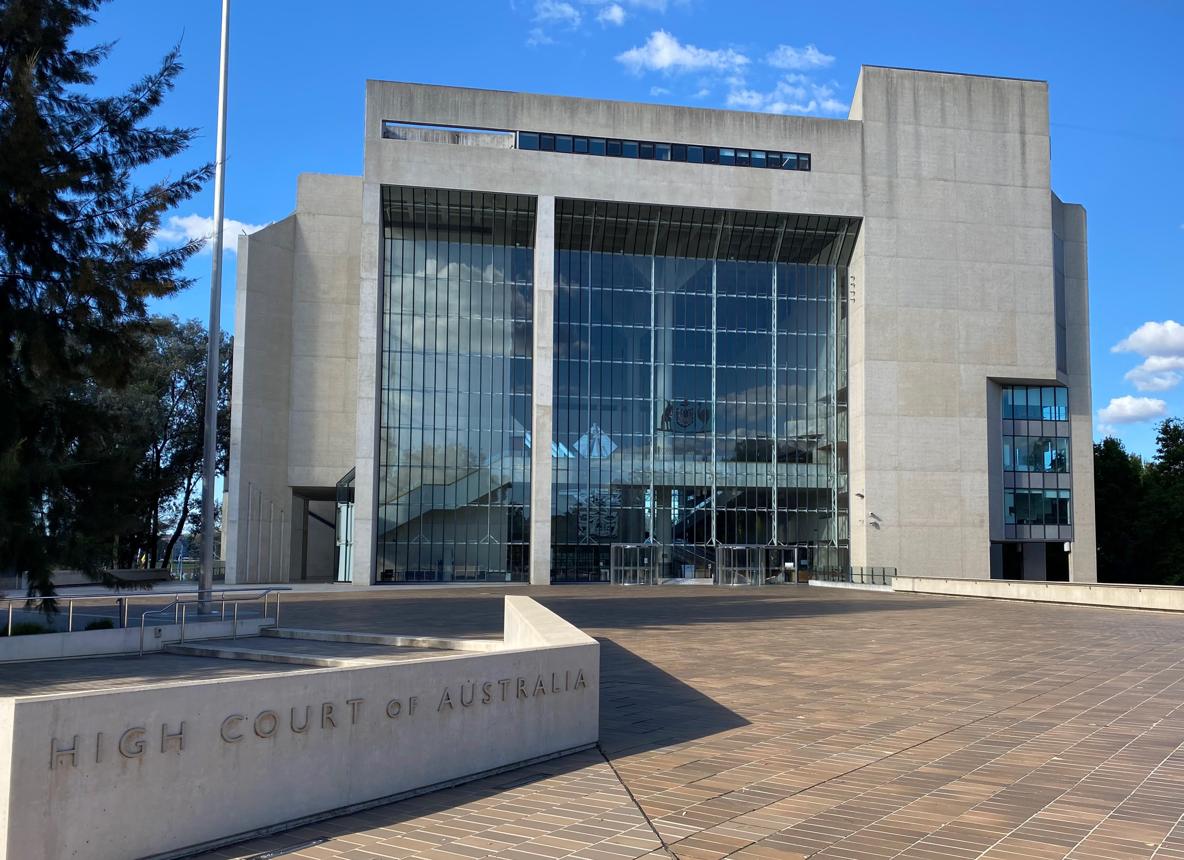
Australia's landmark social media ban for children under 16 faces one of its biggest legal tests this week, as the High Court considers whether the restrictions go too far in limiting political communication.
The challenge, brought by social media platform Reddit and the Digital Freedom Project, could have major implications for Australia's online safety laws and the constitutional limits of government regulation. At the centre of the dispute is a fundamental question: can the government protect children from online harm by restricting their access to platforms used for political discussion?
The constitutional argument
Australia's social media minimum age laws took effect in December 2025, requiring covered platforms to take reasonable steps to prevent children under 16 from holding accounts. The challengers argue that the restrictions impermissibly burden the implied freedom of political communication under the Australian Constitution. They contend that social media platforms are increasingly important spaces for young Australians to engage with political issues, follow elected representatives and participate in public debate.Reddit has also questioned whether the restrictions are appropriately targeted, given the differences between social media services.
The government's defence
The Commonwealth maintains that the legislation pursues a legitimate objective: protecting children from risks associated with social media. Its arguments focus on potentially harmful platform features, including algorithm-driven recommendations, endless scrolling and engagement mechanisms. The government has pointed to millions of accounts being deactivated or suspended following the introduction of the restrictions. However, the High Court must consider more than whether the legislation has a legitimate purpose. A central issue is whether the restrictions impose an unjustified burden on political communication, including whether less restrictive alternatives could achieve the government's objectives.
A second legal hurdle
The Digital Freedom Project also faces a dispute over whether it has legal standing to bring its challenge. The Commonwealth has questioned the organisation's entitlement to seek constitutional relief, adding another dimension to the proceedings. The cases therefore raise questions not only about digital rights and child protection, but also about who can challenge legislation in Australia's highest court.
Why this matters for the legal profession
The outcome could influence how governments regulate online platforms, particularly where restrictions affect participation in public debate. For constitutional lawyers, technology practitioners and law students, the proceedings offer an important contemporary test of the implied freedom of political communication. They also highlight the growing intersection between constitutional law, digital regulation and technology policy.
LawUno Insight
This case is about more than teenagers using social media. It is about how far governments can go in restricting access to digital spaces where political communication takes place.
The High Court's decision could shape future online safety regulation and provide important guidance on the constitutional treatment of digital communication. Whatever the outcome, the proceedings are likely to become a significant reference point in Australian constitutional law.
Should protecting children from online harm justify restricting their ability to participate in political discussions on social media?